
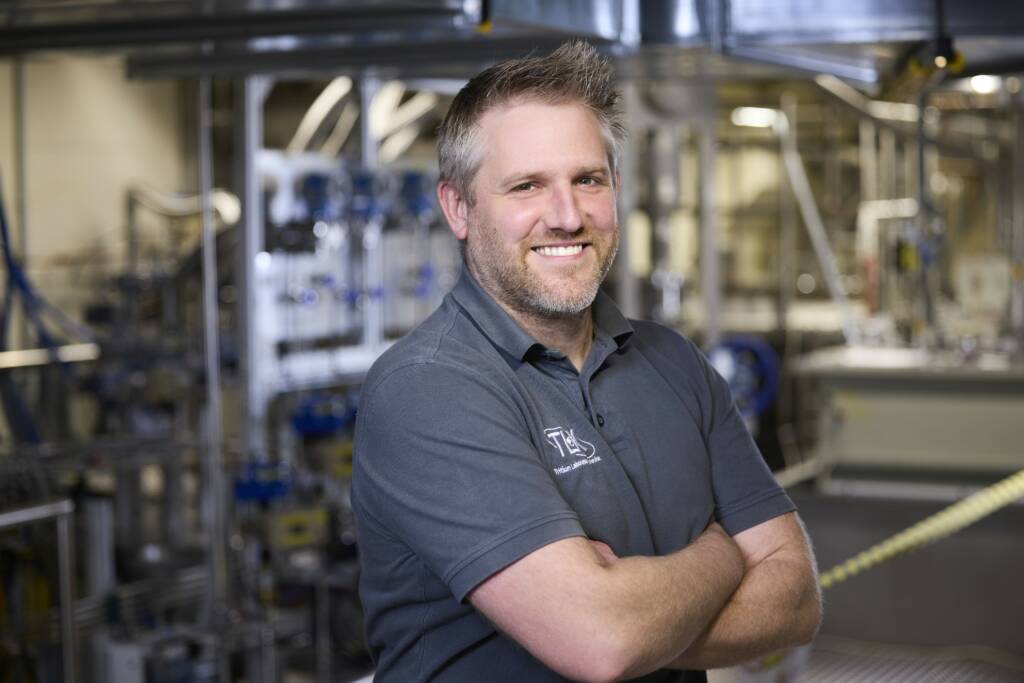
Magnus Schlösser
Direct neutrino-mass measurements – current and next generations
Abdruck honorarfrei im redaktionellen Bereich Belegexemplar erbeten
Abdruck honorarfrei im redaktionellen Bereich Belegexemplar erbeten
Date & heure
28/01/2026 – 11h
Lieu
Amphi Charpak – Sorbonne Université
4 Place Jussieu, 75005 Paris
Accueil
Un café sera offert à partir de 10h45, le séminaire commencera à 11h.
The precise measurement of neutrino masses represents a critical frontier in particle physics, with implications that extend beyond the Standard Model and into cosmology. Direct neutrino mass measurements are uniquely model-independent and critical for cross-validating of other approaches. The Karlsruhe Tritium Neutrino (KATRIN) experiment, employing beta-decay spectroscopy to measure the incoherent sum of neutrino masses, is in its final year of data taking. KATRIN has progressively improved the upper limit on neutrino mass, achieving m < 0.45 eV at 90% C.L. and aims to reach a final sensitivity of m < 0.3 eV. This limit represents the reach of the current state-of the-art technology. Next-generation experiments, targeting sensitivities below the inverted ordering range (m < 0.05 eV), require novel technologies, such as atomic tritium sources and differential detection methods, as explored by KATRIN++, Project8, and QTNM.
Another approach is to calorimetrically measure the energy released from electron capture reactions, e.g. from Ho-163 atoms implanted into cryogenic micro-calorimeters. This technology is currently employed by the ECHo and HOLMES collaborations with sensitivities in the order of O(10 eV). Next, their statistics will be improved by increasing the number of channels and measurement time.
This talk will present the latest results and plans for next-generation neutrino mass experiments with a focus on KATRIN and KATRIN++.
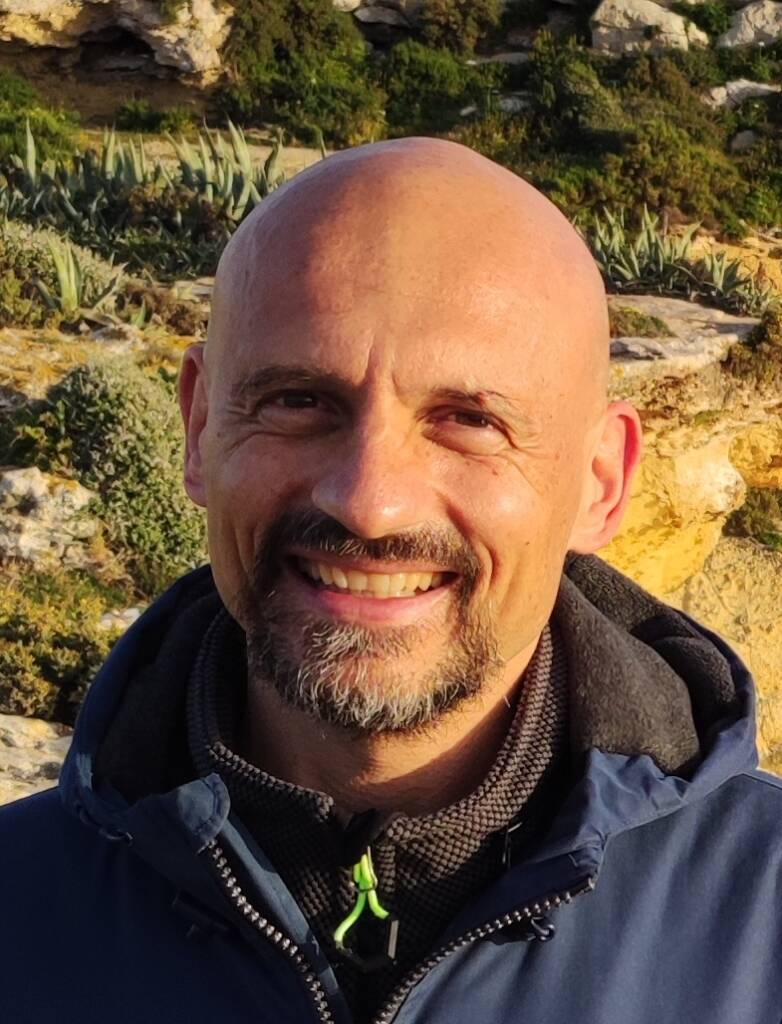
Daniele Sanvitto
Istituto di Nanotecnologia –CNR Nanotec, Lecce & Roma, Italy
Collective phenomena in non-equilibirum quantum fluids
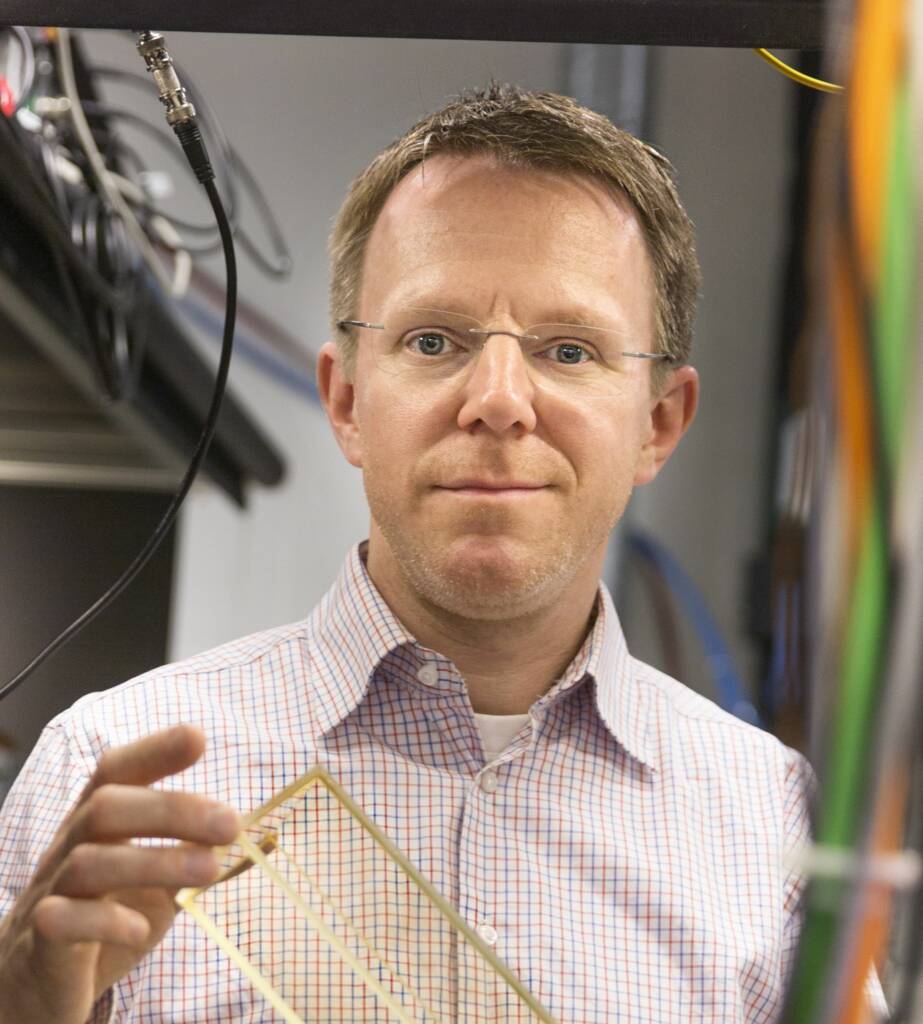

DigiQ Paris Summer School 2026
29 juin – 2 juillet
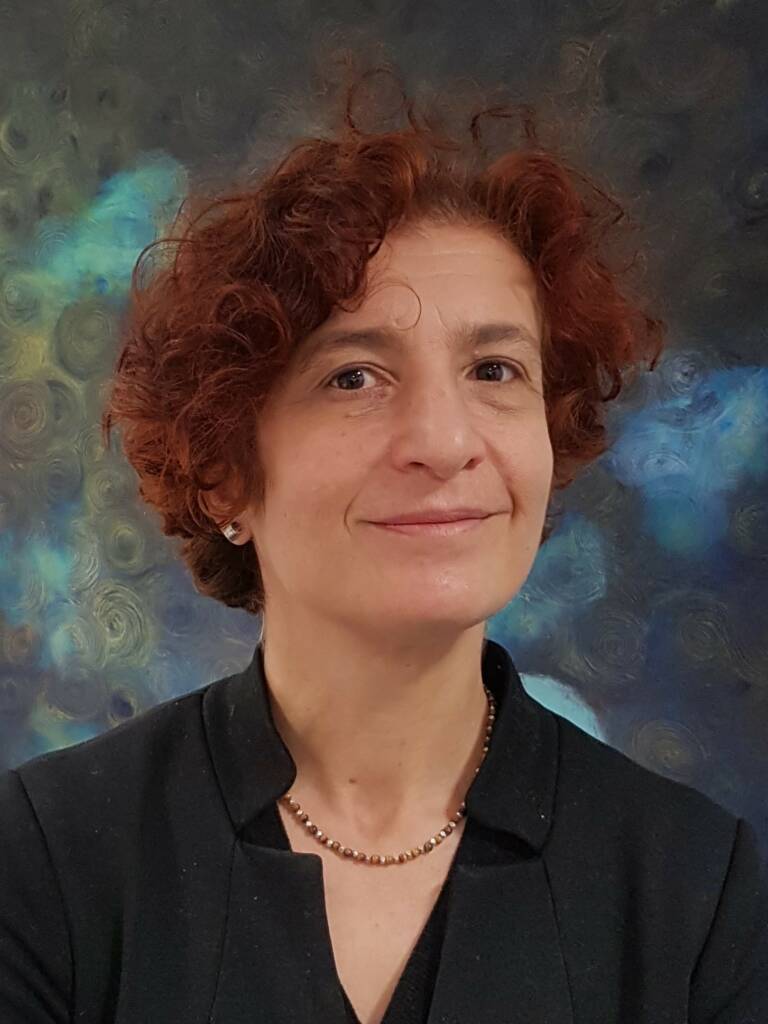
Giovanna Morigi
Theoretical Physics, Saarland University, 66123 Saarbruecken, Germany
Searching a quantum database with noise