
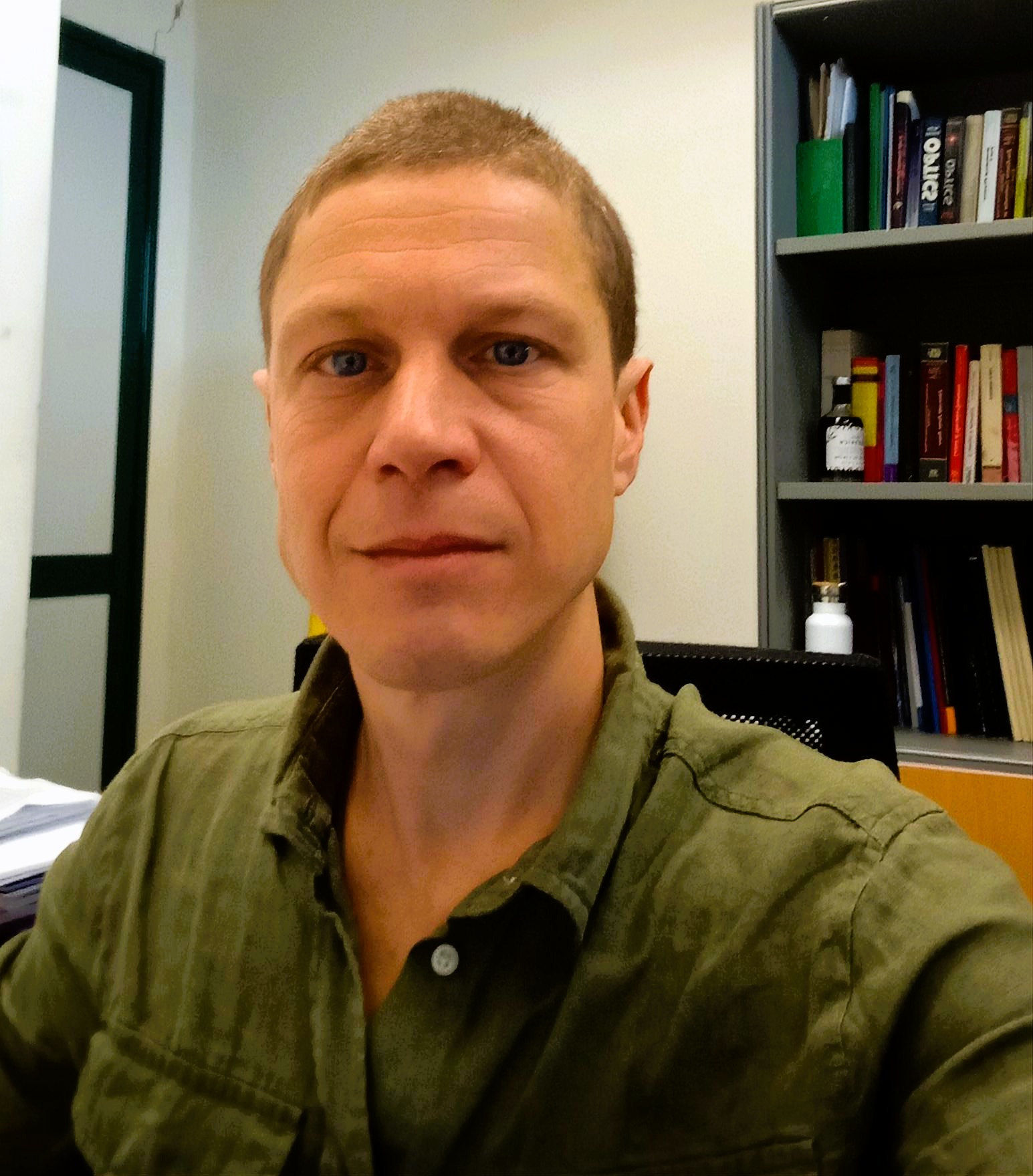
Matteo Zaccanti
Ultracold lithium-chromium mixtures: From mass-asymmetric fermionic matter to paramagnetic molecules
Date & heure
13/05/26 – 11am
Lieu
Amphi Halbwachs – site Marcelin Berthelot, Collège de France
Accueil
Un café sera offert à partir de 10h45, le séminaire commencera à 11h.
Pause café en salle 1.
Quantum mixtures of different atomic species represent compelling frameworks for a variety of fundamental studies and quantum-technological applications, ranging from the exploration of exotic few- and many-body phenomena to the realization of novel molecular species in the ultracold regime.
Here, I will first provide a general overview of the activities of our lab, primarily based on a novel Fermi-Fermi mixture of 6Li alkali and 53Cr transition-metal atoms, and currently focusing onto two main research topics: realization of quantum gases of LiCr molecules, and investigation of strongly interacting fermionic matter in presence of a large mass asymmetry.
I will then discuss in more details a recent study of the transport dynamics of a small ultracold sample of lithium atoms – acting as light impurity particles – released from a species-selective potential into a large, ideal gas of chromium – that plays the role of a bath of heavy, point-like scatterers. Under strong interspecies interactions, by lowering the temperature we unveil a crossover from normal diffusion to subdiffusion. Simultaneously, a localized fraction emerges in the lithium gas, displaying no discernible dynamics over hundreds of collision events. Our findings, incompatible with a conventional Fermi-liquid picture, are instead captured by a model of a matter wave propagating through a (quasi-)static disordered landscape of point-like scatterers. These results point to a key, enhanced role of quantum interference in heavy-light atomic mixtures, which emerge as versatile platforms for exploring disorder-free localization phenomena solely driven by a large mass difference.
I will conclude by discussing the main future research plans of our lab.

Daniele Sanvitto
Istituto di Nanotecnologia –CNR Nanotec, Lecce & Roma, Italy
Collective phenomena in non-equilibirum quantum fluids

DigiQ Paris Summer School 2026
29 juin – 2 juillet

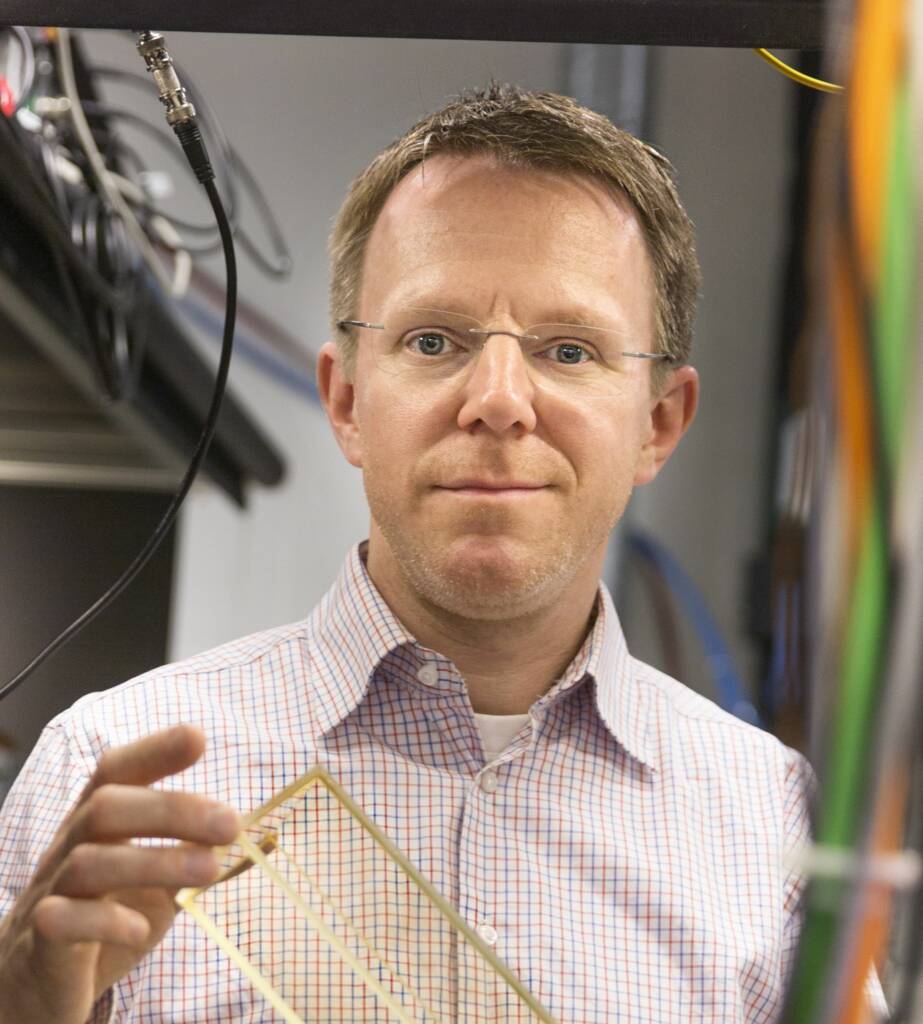
Giovanna Morigi
Theoretical Physics, Saarland University, 66123 Saarbruecken, Germany
Searching a quantum database with noise